
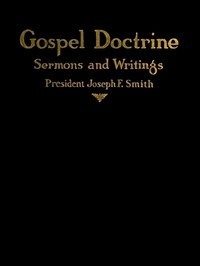
Gospel Doctrine: Selections from the Sermons and Writings of Joseph F. Smith
Let's be clear: this isn't a novel with a beginning, middle, and end. 'Gospel Doctrine' is a curated collection. It brings together talks, letters, and official statements from Joseph F. Smith's time as President of The Church of Jesus Christ of Latter-day Saints. Think of it as a 'best-of' album of his spiritual teachings.
The Story
There's no traditional plot. Instead, the "story" is the journey of a man's faith and his effort to guide others. The book is organized by topic, not date. One chapter might focus on the nature of God, the next on practical advice for raising a family, and another on finding hope after loss. You see Smith responding to the questions of his day, which often mirror our own. He talks about scientific discovery, social change, and personal tragedy, always pointing back to core Christian principles and the specific beliefs of his faith community. You get a powerful sense of his character: firm in his convictions, deeply compassionate, and always emphasizing personal experience with the divine over dry theory.
Why You Should Read It
I was struck by how personal and relatable much of it feels. This isn't abstract theology. When Smith writes about overcoming loneliness or the pain of losing a child (he experienced immense personal loss), his words carry a raw, authentic weight. He has a way of making grand ideas feel accessible. His focus on joy, redemption, and the potential for growth in every person is genuinely uplifting. Even if you don't share his specific religious beliefs, there's a profound humanity here. It offers a window into the mind of a significant religious leader and provides timeless insights on resilience, integrity, and where to look for purpose.
Final Verdict
This book is perfect for members of the LDS Church looking to connect with their heritage on a deeper level. It's also a great pick for anyone interested in American religious history, leadership, or comparative religion. Most of all, I'd recommend it to readers who enjoy thoughtful, compassionate non-fiction that tackles life's big questions. If you like the works of C.S. Lewis or Thomas Merton, you'll find a similar heart here, albeit from a different perspective. It's a quiet, powerful book that rewards slow, reflective reading.
Edward Ramirez
11 months agoVery helpful, thanks.
Matthew Allen
7 months agoPerfect.
Nancy Garcia
3 months agoFrom the very first page, the content flows smoothly from one chapter to the next. A true masterpiece.
Ethan Clark
1 year agoSolid story.


Charles Moore
7 months agoAfter hearing about this author multiple times, it challenges the reader's perspective in an intellectual way. I would gladly recommend this title.