
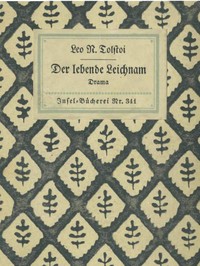
Der lebende Leichnam: Drama in sechs Akten (zwölf Bildern) by graf Leo Tolstoy
Okay, let's set the scene: It's Russia in the early 1900s. Fedya Protasov is a decent guy, but he's miserable. He loves his wife, Liza, but they've grown apart. He feels like a failure and is drowning his sorrows in drink. The problem? Divorce back then was a huge, messy scandal that would ruin Liza's reputation and chances for happiness.
The Story
Fedya comes up with a wild plan. He disappears, leaving behind evidence that suggests he's taken his own life. Everyone, including Liza, believes he's dead. Freed from his past, Liza remarries a good man she truly loves, and Fedya starts a new, simple life elsewhere. It seems like his sacrifice worked! But then, through a twist of fate, the truth comes out. Fedya is discovered to be very much alive. Suddenly, his act of supposed kindness becomes a crime—bigamy for Liza and fraud for him. The law crashes into their lives, threatening to punish everyone for trying to escape a system that offered them no real way out.
Why You Should Read It
This isn't just a period drama. It's about the cage of social expectations. Fedya isn't a villain; he's someone who felt he had no good options. Tolstoy makes you understand his choice, even as you see the disaster it causes. The real villain here is the rigid, unforgiving legal and social system that leaves people like Fedya and Liza with nowhere to turn. The dialogue is sharp, and the moral dilemma hits hard. You'll find yourself asking, 'What would I have done?'
Final Verdict
Perfect for anyone who loves character-driven stories about impossible choices. If you enjoyed the ethical knots in books like 'Crime and Punishment' but want something more direct and theatrical, this is your next read. It's also great for play-readers—the scenes are vivid and the tension builds masterfully. Don't let the old publication date fool you; the heart of this story—feeling trapped by society—is something we can all understand today.



Patricia Williams
8 months agoBased on the summary, I decided to read it and it manages to explain difficult concepts in plain English. Exactly what I needed.