
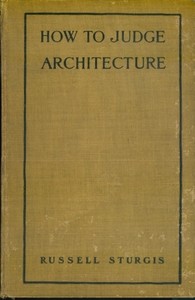
How to judge architecture: a popular guide to the appreciation of buildings
The Story
Picture this: an old professor invites you into a building, but instead of giving a boring lecture about columns, he points at the window and says, "That shape? Too skinny." That's "How to Judge Architecture" in a nutshell. Sturgis (published way back in 1899) breaks down the act of looking into three key questions: Does the building stand up sensibly? Is its shape easy to read? And—most revolutionary of all—Does it make you feel something approaching its purpose?. So, the “plot” is really about reclaiming your eye. Sturgis walks you through comparison: look at a cheap, scrawny doorway versus one that *looks* sturdy, then learn why one fails and the other triumphs. He’s got no interest in teaching the names of obscure decorative details. Instead, the story is how we stop <% } echoing a tired list of designer names and start feeling if a monument feels beautifully big, vaguely annoying, or genuinely warm.
Why You Should Read It
The best part? Sturgis doesn’t preach. He lets you catch yourself fawning over fluff. In this guide, our host gets personally razzed when students reflexively praise a flamboyant gilt ceiling but miss that the room that holds you actually looks like a train station and feels clumsy. He’s calling for a kind of architecture therapy: stuff the small notes; discover the weight versus wonder. What really grabs me is the fierce invitation: he claims ugliness comes from honest mistakes like fitting for strange fashion more than long-term sturdity. His real treasure here is making us weird, warm-minded critics in a few hours. No jargon-filled walls; just our eyes getting wised-up.
Final Verdict
Perfect for the curious walker who wants to turn daily strolls happy, and non-professionals afraid that architectural talk is only in museums. But: listen, the book is anchored in the 1890s; present locations won’t line up faultlessly. So get a copy, grab real buildings or modern neighbors.
This publication is available for unrestricted use. You do not need permission to reproduce this work.
James Smith
3 months agoI particularly value the technical accuracy maintained throughout.






Kimberly Martinez
3 weeks agoIf you're tired of surface-level information, the author clearly has a deep mastery of the subject matter. Top-tier content that deserves more recognition.